



Article: Stephania erecta Care Guide: Watering, Dormancy & Growth

Stephania erecta Care Guide: Watering, Dormancy & Growth
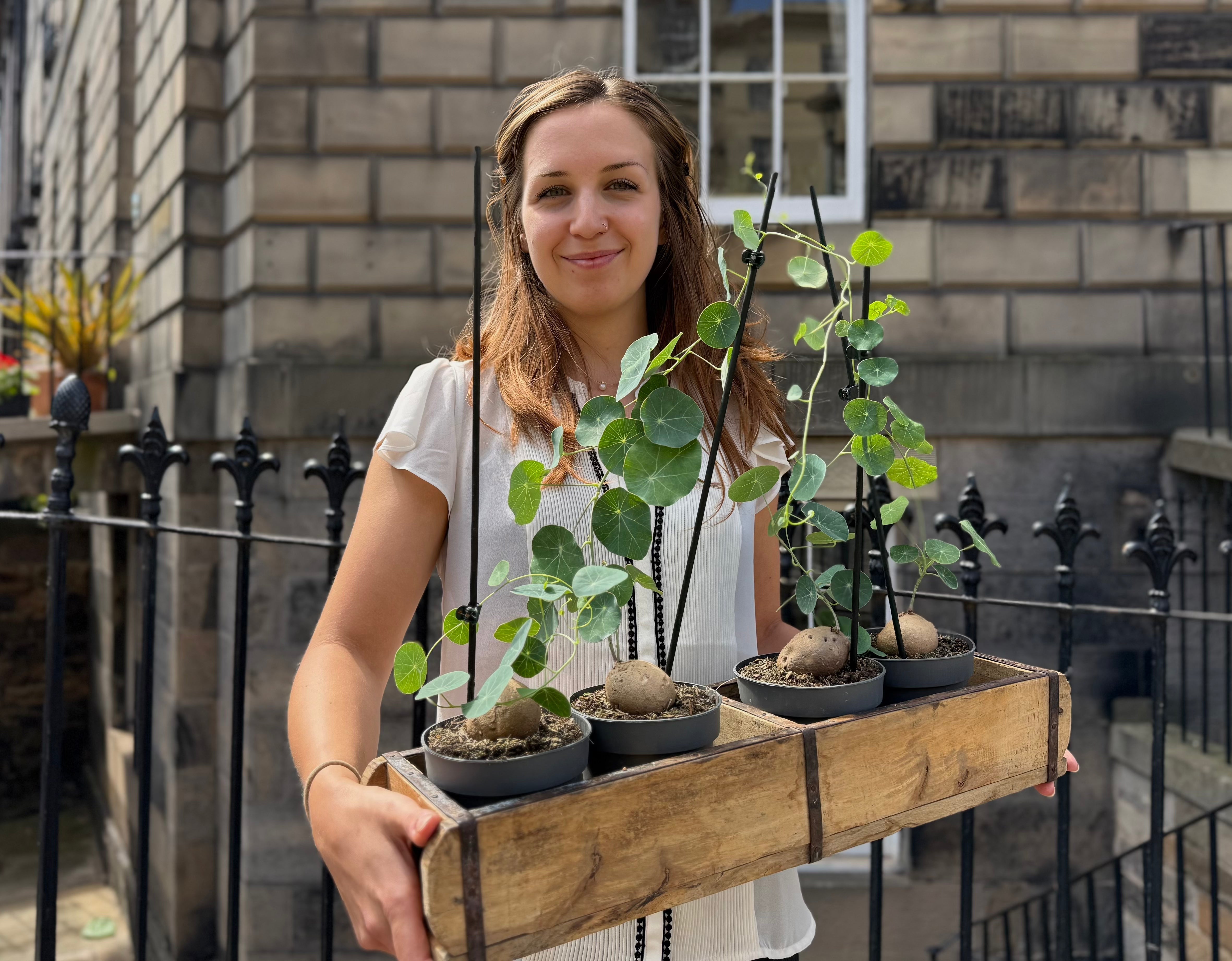
Stephania erecta is one of the most distinctive and unusual houseplants you can grow indoors. Its delicate climbing stems and beautifully rounded leaves emerge from a large, woody base known as a caudex, giving the plant the appearance of a miniature tree growing from a potato-shaped stone.
Although its growth can look wonderfully exotic, Stephania erecta is not especially difficult to care for once you understand its natural cycle. The most important things are bright indirect light, careful watering and allowing the plant to rest during dormancy.
Looking for a Stephania erecta?
We stock Stephania erecta when fresh plants are available from our growers. If it is currently out of stock, simply click the ‘Notify Me When Available’ button on the product page and we’ll email you when it returns.
What is Stephania erecta?
Stephania erecta is a climbing caudex plant native to parts of Southeast Asia. The name most commonly used by growers and houseplant collectors is Stephania erecta, although its currently accepted botanical name is Stephania pierrei.
The plant stores water and energy inside its swollen woody base, or caudex. During active growth, fine stems emerge from the top of the caudex and produce delicate, almost circular green leaves with attractive radiating veins.
Its stems naturally climb and may wind around a small hoop, trellis or plant support. Left unsupported, they can also trail attractively from a shelf.
Good to know: The potato-like part of Stephania erecta is not a bulb. It is a caudex: a swollen structure used by the plant to store water and energy.
Why does Stephania erecta go dormant?
Dormancy is a natural part of the Stephania erecta growth cycle. As the plant prepares to rest, its leaves may turn yellow, dry up and eventually fall away. The stems can also die back, leaving only the exposed caudex above the compost.
This does not necessarily mean the plant has died. The caudex remains alive and stores the energy needed to produce new shoots when active growth resumes.
In UK homes, dormancy often begins as temperatures and natural light levels fall during autumn or winter. However, indoor plants do not always follow an exact calendar. Your Stephania may enter dormancy earlier, later or occasionally at another point in the year.
Worth knowing: A leafless Stephania erecta is often resting rather than dead. If the caudex remains firm and healthy, new growth should eventually emerge.
How to care for Stephania erecta indoors
Stephania erecta is relatively straightforward to grow, but its care requirements change depending on whether it is actively producing leaves or resting in dormancy.
- Light: Place in bright, indirect light with protection from strong midday sun.
- Temperature: Keep warm and away from cold draughts or sudden temperature changes.
- Watering: During active growth, water when the upper layer of compost has dried. Keep almost dry during dormancy.
- Feeding: Feed monthly during active growth. Do not feed a dormant plant.
- Compost: Use a very free-draining mix and never allow the pot to sit in water.
- Support: Provide a small hoop or trellis if you would like the fine stems to climb.
How much light does Stephania erecta need?
Stephania erecta grows best in plenty of bright, indirect light. Position it close to an east or west-facing window, or slightly back from a brighter south-facing window.
A little gentle morning or evening sunshine can be beneficial, but avoid exposing the leaves to intense midday summer sun behind glass. Strong direct sunlight can scorch the delicate foliage, while insufficient light may produce weak, stretched growth and widely spaced leaves.
If the plant is kept too far from a window, it may grow slowly or struggle to produce strong new shoots. A bright position also helps the compost dry at a healthier rate after watering.
How to water Stephania erecta
Correct watering is the most important part of Stephania erecta care. The caudex stores moisture, so the plant is better able to tolerate being slightly too dry than being kept continually wet.
During active growth, water thoroughly once the upper few centimetres of compost have dried. Allow excess water to drain away completely and never leave the nursery pot standing in water.
Check the compost rather than watering according to a fixed weekly schedule. How quickly it dries will depend on the season, temperature, light, pot size and compost mixture.
Top tip: Do not water simply because the caudex looks dry on the surface. Always check the compost first.
For more guidance on judging when your plants need water, read our complete guide to watering houseplants.
Watering during dormancy
Once the leaves begin to yellow and die back, gradually reduce watering. A dormant Stephania erecta uses very little water, and wet compost around an inactive caudex can quickly lead to rot.
Keep the compost almost dry while the plant has no active growth. Depending on the warmth of your home and the length of dormancy, it may need only a very small amount of water occasionally to prevent the roots from remaining bone dry for an extended period.
Do not resume normal watering until you can see a fresh shoot or another clear sign that the plant is beginning to grow again.
How do you wake up a dormant Stephania erecta?
Dormancy should end naturally when the plant is ready. Place the caudex somewhere warm with bright, indirect light and check it periodically for signs of a new shoot.
Once fresh growth appears, introduce water gradually. Begin with a modest watering rather than immediately soaking compost that has been dry for several months. As the shoot develops and leaves begin to open, you can return to the normal active-growth watering routine.
A dormant caudex may take several weeks or even longer to produce a new shoot. Avoid repeatedly moving it, overwatering it or digging into the compost to inspect the roots, as this can cause more harm than simply allowing it time.
Compost and drainage
Stephania erecta needs an airy, free-draining compost that does not remain saturated around its roots. A houseplant or cactus compost amended with plenty of perlite, pumice or fine horticultural grit can work well.
Always grow it in a nursery pot with drainage holes. If you place the nursery pot inside a decorative cover pot, remove it for watering and allow it to drain fully before returning it.
You can find suitable composts, feeds and other essentials in our indoor plant care collection.
Should the caudex sit above the compost?
Stephania erecta is commonly displayed with a large proportion of the caudex sitting above the compost. This showcases its sculptural form and helps prevent the upper part from remaining unnecessarily wet.
A plant that is already established should generally be left at approximately the same depth when repotted. Avoid burying the entire caudex, particularly in heavy or moisture-retentive compost.
The roots grow from the lower part of the caudex and should remain securely positioned within the compost.
Does Stephania erecta need humidity?
Stephania erecta generally adapts well to normal household humidity and does not require regular misting. Good airflow is more important than keeping the leaves or caudex continually damp.
Very dry air may cause the delicate foliage to develop crisp edges, but this can also be caused by inconsistent watering, excessive heat or strong sunlight. Avoid placing the plant immediately beside a radiator or in a cold draught.
Do not mist a dormant, leafless caudex, as lingering moisture may increase the risk of rot.
Feeding Stephania erecta
Feed once a month while the plant is actively producing stems and leaves. Use a balanced liquid houseplant fertiliser diluted according to its instructions.
We recommend Liquid Gold Leaf for supporting healthy foliage and active growth.
Stop feeding as soon as the leaves begin to die back. A dormant Stephania erecta is not actively growing and does not require fertiliser.
Supporting the climbing stems
Stephania erecta produces fine, twining stems that naturally search for something to climb. A small metal hoop, narrow trellis or delicate plant support will help keep the growth neat and display the leaves beautifully.
Guide the stems gently around the support as they grow. Avoid forcing or sharply bending them, as the young vines can be fragile.
You can also allow the stems to trail, although climbing support usually creates the distinctive miniature-tree appearance for which the plant is best known.
Repotting Stephania erecta
Stephania erecta does not need frequent repotting and is usually happiest when left undisturbed. Consider repotting when roots have filled the nursery pot, the compost has become compacted or drainage has noticeably deteriorated.
The best time to repot is generally as the plant begins active growth. Choose a pot only slightly larger than the existing one and use fresh, free-draining compost.
Handle the caudex and roots carefully. After repotting, avoid excessive watering while damaged or disturbed roots recover.
Common Stephania erecta problems
Why are the leaves turning yellow?
Yellowing leaves may indicate that the plant is naturally entering dormancy. If this happens as light levels fall and the plant has otherwise been healthy, gradually reduce watering and allow the foliage to die back naturally.
Yellow leaves during active growth can also be caused by overwatering, poor drainage, cold temperatures or insufficient light.
Why is my Stephania erecta losing its leaves?
Complete leaf loss is often part of dormancy. Check that the caudex remains firm, reduce watering and keep the plant somewhere warm and bright until growth resumes.
Sudden leaf loss during active growth may instead be caused by cold, severe underwatering, root damage or prolonged waterlogging.
Why is the caudex becoming soft?
A soft or collapsing caudex can be a sign of rot, particularly if the compost has remained wet or the plant has been watered heavily while dormant.
Stop watering and check for discoloured, wet or unpleasant-smelling tissue. A healthy caudex should normally feel firm. Severe rot can be difficult to reverse, which is why careful watering and good drainage are so important.
Why is my Stephania erecta not sprouting?
A dormant Stephania erecta may take a considerable amount of time to resume growth. Keep it warm, provide bright indirect light and resist the temptation to encourage it with frequent watering.
If the caudex is still firm, it may simply need more time. Indoor dormancy does not always end at the beginning of spring or follow an exact timetable.
Why are the stems long with few leaves?
Long, weak stems and large spaces between leaves usually indicate insufficient light. Move the plant gradually into a brighter position, avoiding an abrupt change to intense direct sunshine.
Why are the leaf edges turning brown?
Brown or crisp edges can be caused by very dry air, inconsistent watering, excessive heat or leaf scorch. Check that the plant is not immediately beside a radiator or exposed to harsh midday sunshine.
Frequently asked questions
Is Stephania erecta easy to care for?
Stephania erecta is reasonably straightforward once you understand its dormancy cycle. The main risk is overwatering, particularly while the plant has no leaves or active growth.
Is Stephania erecta a succulent?
It is often grouped with succulents and caudiciform plants because its enlarged caudex stores water. Botanically, however, it is a climbing caudex geophyte rather than a typical rosette-forming succulent.
Is Stephania erecta the same as Stephania pierrei?
Yes. Stephania erecta is the familiar name used throughout the houseplant trade, while Stephania pierrei is now generally treated as the accepted botanical name.
How long does Stephania erecta remain dormant?
The length of dormancy varies according to the individual plant and its growing conditions. Some plants rest for only a few months, while others take considerably longer to produce a new shoot.
Can Stephania erecta grow indoors in the UK?
Yes. Stephania erecta can grow successfully indoors in the UK when kept warm and given plenty of bright, indirect light. It should be protected from cold windows, draughts and excessive winter watering.
Does Stephania erecta need direct sunlight?
It does not require strong direct sun. Bright, indirect light is ideal, although some gentle morning or evening sunlight can encourage healthy, compact growth.
Is Stephania erecta pet-friendly?
Stephania erecta should not be treated as a pet-friendly houseplant. Keep the plant and its caudex away from pets and children who may chew or ingest it.
Can I cut back Stephania erecta?
Dead stems can be removed once the plant has entered dormancy. During active growth, overly long stems may be shortened, although providing a support is usually the best way to manage the climbing vines.
Your Stephania erecta care checklist
- Place in bright, indirect light
- Keep warm and away from cold draughts
- Use airy, free-draining compost
- Water when the upper layer of compost has dried
- Never leave the nursery pot standing in water
- Reduce watering significantly during dormancy
- Resume watering gradually when fresh growth appears
- Feed monthly during active growth only
- Provide a small hoop or trellis for the climbing stems
- Do not panic when the leaves naturally die back
Explore more unusual houseplants
With its sculptural caudex, climbing stems and delicate circular leaves, Stephania erecta is a fascinating choice for anyone looking for something beyond the ordinary.
Browse our Rare Indoor Plants collection to discover more unusual and collectable houseplants, or visit our Edinburgh shop and let our Plant Gurus help you choose something special.