


Scared to Prune Your Houseplants? Here’s Why You Shouldn’t Be
One of the most common conversations we have with customers in our plant shop starts with something like this:
“My houseplant is getting too big… but I’m scared to cut it.”
We hear it all the time. A Monstera has reached the ceiling, a Pothos has taken over a bookshelf, or a trailing plant has become long, leggy and a little untidy. The owner knows it probably needs cutting back, but something about pruning a houseplant feels wrong.
It is understandable. Many of us happily prune roses, lavender, hedges and shrubs outdoors, but when it comes to indoor plants, we can feel as if every leaf is precious. Cutting a houseplant can feel dramatic, almost as if we are harming it.
The truth is usually the opposite. For many houseplants, careful pruning is one of the healthiest things you can do. It can help control size, encourage fuller growth, remove tired leaves and keep your plant looking better for longer.
Need the right tools?
Browse our Indoor Plant Care collection, including pruning snips, plant feed, moisture meters and tools designed to help your houseplants thrive.
Why Are We So Scared to Prune Houseplants?
Houseplants often feel different from garden plants. They live in our homes, we look at them every day, and we can become attached to every new leaf. When a plant finally grows well, cutting it back can feel like undoing all that progress.
Many people also worry that pruning will kill the plant, stop it growing, or leave it looking bare forever. In reality, most healthy houseplants are far tougher than they look.
Plants in nature are not left untouched. They are nibbled by insects, grazed by animals, snapped by wind and damaged by storms. Many plants have evolved to recover from damage by producing fresh growth from lower down the stem.
Pruning simply uses that natural ability in a controlled way.
Think of Pruning Like a Haircut
A helpful way to think about pruning is to compare it to a haircut. You are not harming the plant by trimming it carefully. You are shaping it, refreshing it and helping it direct energy where it is most useful.
Just as a haircut can make hair look healthier and fuller, pruning can help many indoor plants grow in a better shape.
Of course, you still need to know where to cut and which plants respond well, but the basic idea is simple: pruning is not punishment. It is plant care.
What Does Pruning Actually Do?
Pruning can help houseplants in several ways.
- It controls plants that have become too large for their space
- It removes yellow, damaged or dying leaves
- It encourages fuller, bushier growth
- It stops trailing plants becoming long and sparse
- It can help shape climbing or vining plants
- It provides cuttings for propagation
- It improves the overall appearance of the plant
Many houseplants naturally put energy into one main growing tip. When that tip is removed, the plant may push out new growth from lower points on the stem. This is why cutting back a long, straggly plant can often make it grow fuller over time.
Which Houseplants Benefit From Pruning?
Lots of popular indoor plants respond well to pruning, especially trailing, climbing and branching plants.
Monstera
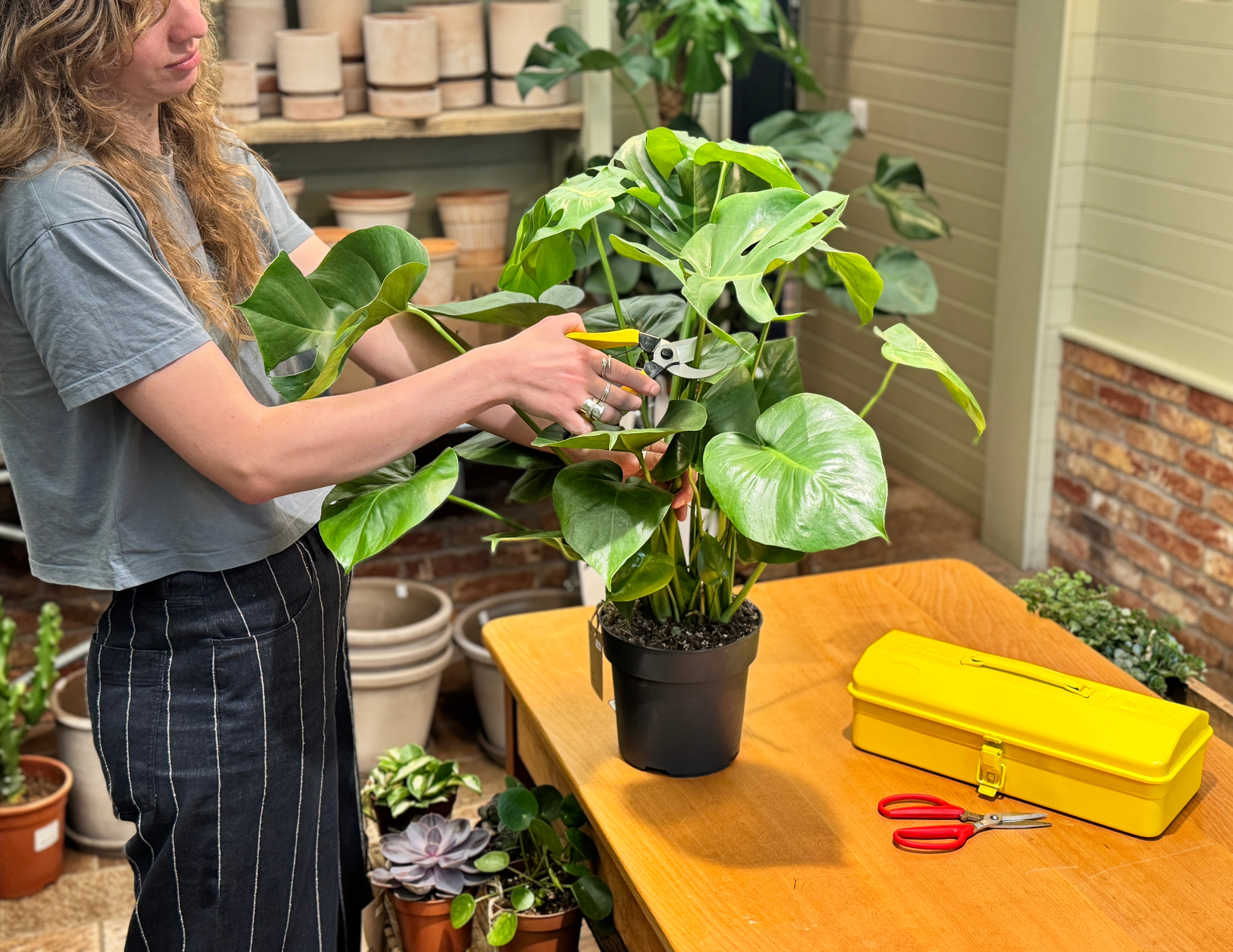
Monstera can become very large indoors. Pruning can help control the size, remove untidy growth and keep the plant in proportion with your room. Always cut just above a node, which is the point on the stem where leaves and aerial roots emerge.
Pothos
Pothos is one of the best examples of a plant that benefits from regular trimming. If it becomes long and sparse, cutting the vines back can encourage fuller growth. The cut pieces can often be propagated in water.
Philodendron
Many vining and climbing Philodendron varieties can be trimmed in a similar way to Pothos. Pruning helps keep them neat and can encourage a denser plant.
Tradescantia
Tradescantia can become leggy quickly, especially if it is not getting enough light. Regular pruning keeps it compact and encourages fresh, colourful growth.
Ficus and Rubber Plants
Rubber Plants and other Ficus varieties can sometimes grow as one tall stem. Pruning can help encourage branching and create a fuller, more balanced plant. These plants may release a milky sap when cut, so protect surfaces and wash your hands afterwards.
Hoya
Hoya can be lightly pruned to remove damaged growth or control shape, but avoid cutting off old flower spurs, as many Hoyas can flower again from the same points.
Houseplants to Be More Careful With
Not every houseplant should be cut back in the same way. Some plants have a single growing point, and if that growing point is removed, the plant may not recover in the way a branching plant would.
Be especially careful with palms, many cycads, and plants that grow from a central crown. With these, it is usually better to remove only fully dead or damaged leaves rather than cutting into the centre of the plant.
If you are unsure, identify the plant first and check how it grows before making a major cut.
When Should You Prune Houseplants?
The best time to prune most houseplants is during the growing season, usually spring and summer. This is when the plant has more light, warmth and energy to produce fresh growth.
You can remove yellow, dead or damaged leaves at any time of year, but avoid heavy pruning in winter unless absolutely necessary. During the darker months, most houseplants grow more slowly and may take longer to recover.
How to Make the First Cut
The first cut is often the hardest. If you are nervous, start small.
- Look for yellow, damaged or dead leaves and remove those first.
- For trailing plants, trim one or two long stems rather than cutting the whole plant at once.
- Cut just above a node where possible.
- Use clean, sharp snips rather than blunt kitchen scissors.
- Step back and look at the shape before cutting more.
You do not need to transform the plant in one go. Small, thoughtful pruning is often better than a dramatic chop, especially while you are building confidence.
Why Sharp, Clean Tools Matter
One of the biggest mistakes people make is using old scissors that crush the stem rather than making a clean cut. A crushed or ragged cut can take longer to heal and may leave the plant more vulnerable to problems.
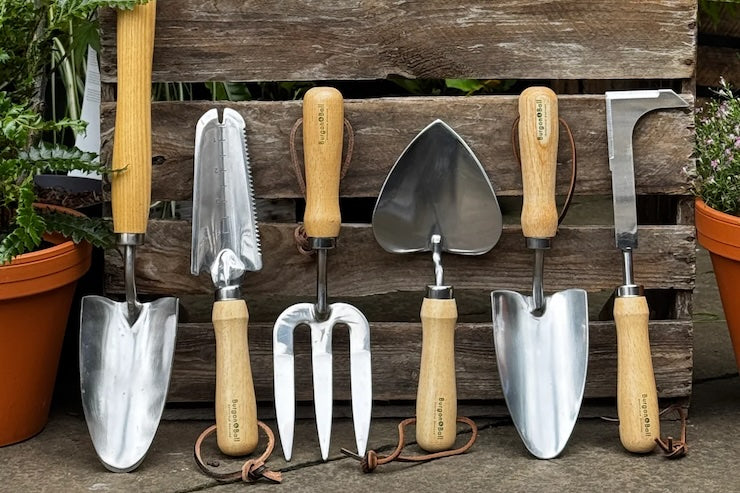
A sharp pair of pruning snips makes the job much easier. For houseplants, we like tools that feel precise, comfortable and easy to control.
The Niwaki Higurashi Snips, Niwaki Garden Snips and Niwaki Mainichi Snips are all excellent options for clean, accurate pruning. For a houseplant-specific option, the Botanopia Good Snips are designed for trimming indoor plants, cuttings and finer stems.
It is also important to keep your tools clean, especially if you are cutting away diseased or damaged growth. The Niwaki Mini Clean Mate is a useful way to clean sap and residue from blades, helping keep your tools in better condition.
What Should You Do After Pruning?
After pruning, place the plant back in suitable light and avoid overwatering. A freshly pruned plant does not automatically need a big drink. Always check the compost first.
A Soil Moisture Meter or Botanopia Soil Checker can help you understand what is happening below the surface, especially in larger pots.
During the growing season, a good plant feed can support fresh growth after pruning. We recommend Liquid Gold Leaf as a premium feed for many indoor plants. Always follow the instructions and avoid feeding plants that are very stressed, very dry or recently repotted.
Can You Propagate the Cuttings?
Often, yes. One of the nicest things about pruning is that the pieces you cut away do not always need to be wasted.
Many trailing and vining houseplants, including Pothos, Philodendron, Tradescantia and some Hoyas, can be propagated from stem cuttings. Make sure each cutting has at least one node, as this is where new roots usually form.
Pop the cutting into water or suitable compost, keep it in bright indirect light, and be patient. Not every cutting will take, but it is a brilliant way to make new plants from one you already love.
Common Pruning Myths
“If I cut my houseplant, I’ll kill it.”
Usually not. If the plant is healthy and you prune it correctly, cutting it back often encourages better growth rather than harming it.
“It won’t grow back.”
Many houseplants will grow back from nodes or lower points on the stem. The key is knowing where to cut and giving the plant the right conditions afterwards.
“I should only prune when the plant looks terrible.”
Not necessarily. Light, regular pruning can keep a plant looking better and prevent it becoming too large, leggy or unbalanced.
“Every leaf is precious.”
Leaves are important, but old, yellowing or damaged leaves are not doing much for the plant. Removing them can improve the plant’s appearance and help you spot other issues more clearly.
Frequently Asked Questions
Should I prune yellow leaves from my houseplant?
Yes, fully yellow or dying leaves can usually be removed. If lots of leaves are turning yellow at once, check for overwatering, low light, poor drainage or other care issues.
Where should I cut a trailing houseplant?
For plants like Pothos and Philodendron, cut just above a node. This is the point where a leaf joins the stem and where new roots or shoots can often develop.
Can I prune my houseplant in winter?
You can remove dead or damaged leaves in winter, but it is usually best to avoid heavy pruning until spring or summer, when the plant is growing more actively.
What should I use to prune indoor plants?
Use clean, sharp pruning snips. Avoid blunt household scissors, as they can crush stems and make untidy cuts.
Will pruning make my plant bushier?
In many cases, yes. Pruning can encourage side shoots and fuller growth, especially on trailing, vining and branching houseplants.
Your Houseplant Pruning Checklist
- Do not be afraid to prune healthy, vigorous plants
- Start small if you are nervous
- Use clean, sharp snips
- Cut just above a node where possible
- Remove yellow, dead or damaged leaves
- Prune most heavily in spring or summer
- Be careful with palms and plants with a single growing point
- Check compost before watering after pruning
- Feed during the growing season to support fresh growth
- Use suitable cuttings for propagation
Don’t Be Afraid to Make the First Cut
The first cut is always the hardest. Once you have seen how many houseplants respond with fresh, fuller growth, pruning starts to feel much less frightening.
Houseplants are not delicate ornaments. They are living plants, and many of them are far more resilient than we give them credit for.
If your plant is too tall, too leggy, too untidy or simply outgrowing its space, careful pruning may be exactly what it needs.
Browse our full Indoor Plants collection, explore our Tropical Indoor Plants, or shop our Indoor Plant Care essentials for pruning snips, plant feed, moisture meters and tools to help your plants grow beautifully.