


Lavender Care: How to Grow Healthy Lavender in Pots and Gardens
Lavender is one of the UK's most loved outdoor plants, prized for its fragrant foliage, colourful flowers and ability to attract bees and pollinators. Whether you're growing lavender in a border, container, balcony garden or courtyard, getting the basics right will reward you with years of colour and scent.
Looking for Lavender Plants?
Browse our collection of Lavender Plants or explore our range of Outdoor Plants and Outdoor Plant Care products.
In this guide, we'll cover everything you need to know about lavender care, including watering, pruning, overwintering, growing lavender in pots and the key differences between English and French lavender.
English Lavender vs French Lavender
One of the most common sources of confusion is the difference between English lavender and French lavender. Both are beautiful, fragrant and loved by pollinators, but they behave slightly differently in UK gardens.
English Lavender
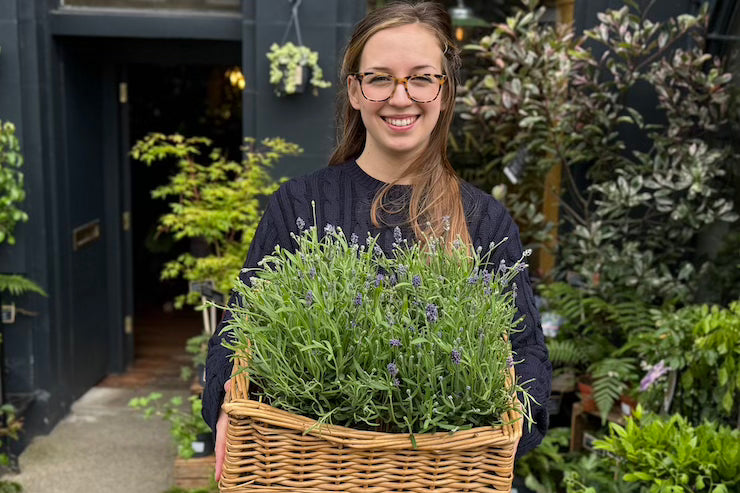
English lavender, or Lavandula angustifolia, is generally the hardiest and most reliable lavender for UK gardens. It has narrow, silvery-green leaves, strongly scented flowers and a neat, compact habit.
English lavender is a good choice for borders, paths, cottage gardens, pots and sunny raised beds. It is usually more tolerant of cold weather than French lavender and is the better option if you want a plant that will return reliably year after year.
French Lavender
French lavender, or Lavandula stoechas, is easily recognised by the decorative “rabbit ear” petals at the top of each flower head. It has a more Mediterranean look and often flowers for a long period in the right conditions.
French lavender is beautiful in pots, sunny patios and sheltered courtyards, but it is less hardy than English lavender. In colder parts of the UK, including exposed gardens in Scotland, it may need extra protection over winter.
Where Should Lavender Be Planted?
Lavender loves sunshine. For the best growth, fragrance and flowers, place it somewhere that receives as much direct sun as possible.
Lavender grows best in:
- Full sun
- Free-draining soil
- Sheltered positions
- Pots, borders, raised beds and gravel gardens
- Areas with good airflow
Avoid planting lavender in deep shade, heavy wet soil or areas that stay damp for long periods. Lavender naturally comes from dry, sunny environments, so it will usually struggle if its roots are sitting in cold, wet compost.
Growing Lavender in Pots
Lavender is an excellent plant for containers, making it ideal for patios, terraces, balconies, doorsteps and small city gardens.
When growing lavender in pots, drainage is the most important thing. Choose a pot with drainage holes and avoid decorative containers that trap water around the roots.
Terracotta pots are especially good for lavender because they allow moisture to evaporate more easily than plastic or glazed ceramic pots.
For best results:
- Use a pot with drainage holes
- Choose a free-draining compost mix
- Add horticultural grit if your compost is too moisture-retentive
- Raise pots slightly off the ground in winter
- Never leave lavender standing in water
If you are growing lavender in a decorative pot without drainage, keep the plant in its nursery pot inside the decorative pot and always remove it for watering. Let it drain fully before placing it back.
How Often Should You Water Lavender?
Lavender is drought tolerant once established, so it usually needs less water than people expect.
In the ground, established lavender may only need watering during prolonged dry spells. In pots, it will need watering more often, especially during warm or windy weather.
As a general rule, water lavender when the compost has dried out. Water thoroughly, allow excess water to drain away and then wait until the compost dries before watering again.
Good to know: overwatering is one of the most common reasons lavender fails. Yellowing leaves, blackened stems or a generally collapsing plant can all be signs that the roots have been kept too wet.
What Soil Does Lavender Need?
Lavender needs free-draining soil. It will not enjoy heavy, wet or compacted compost.
If planting in the garden, improve drainage by adding grit or planting into a raised bed. If growing lavender in pots, use a free-draining peat-free compost mixed with horticultural grit.
You can browse our Outdoor Plant Care collection for compost, feeds and other useful gardening essentials.
Should You Feed Lavender?
Lavender does not need heavy feeding. In fact, too much fertiliser can encourage soft leafy growth at the expense of flowers and fragrance.
A light feed in spring is usually enough, particularly if the plant is growing in a container. Avoid rich, high-nitrogen feeds, which can make the plant too lush and less compact.
How and When to Prune Lavender
Pruning is one of the most important parts of lavender care. Regular pruning keeps the plant compact, encourages fresh growth and helps prevent it becoming woody and sparse.
When to prune lavender
Lavender is usually pruned after flowering, from late summer into early autumn. You can also give it a light tidy in spring if needed, once the worst of the cold weather has passed.
How to prune lavender
After flowering, remove the spent flower stems and lightly trim back the green leafy growth to maintain a neat, rounded shape.
Do not cut hard into old woody stems with no leaves, as lavender often struggles to regrow from bare wood.
A good rule is to trim the plant back by around one third, keeping some fresh green growth visible on each stem.
Why Has My Lavender Gone Woody?
Lavender naturally becomes woodier with age, but this happens much faster if it is not pruned regularly.
Once a lavender plant has become very woody, bare and open in the centre, it can be difficult to restore. Regular light pruning each year is much better than trying to rescue an old, overgrown plant with a hard cut.
Can Lavender Survive Winter?
English lavender is generally hardy in the UK and will usually survive winter outdoors, provided it is planted in free-draining soil.
French lavender is less hardy and may need extra protection in colder or more exposed locations.
To help lavender through winter:
- Avoid waterlogged soil
- Raise pots slightly so they can drain freely
- Move container-grown French lavender to a sheltered spot
- Avoid heavy winter pruning
- Protect from severe frost if needed
Cold is not always the main issue. Wet, poorly drained compost is often more damaging than low temperatures.
Is Lavender Good for Bees?
Yes. Lavender is one of the best garden plants for bees and other pollinators. Its fragrant flowers are rich in nectar and are especially attractive to honey bees, bumblebees, butterflies and hoverflies.
Planting lavender near paths, seating areas and doorways also means you can enjoy its scent whenever you brush past the foliage.
Common Lavender Problems
Yellow leaves
Yellowing leaves are often caused by too much water or poor drainage. Let the compost dry out and check that the pot is not sitting in water.
Black stems or collapsing growth
This can be a sign of root rot caused by cold, wet conditions. Improve drainage and avoid overwatering.
Few or no flowers
Lavender may not flower well if it is in too much shade, has been overfed or has not been pruned correctly.
Woody, leggy growth
This usually develops when lavender has not been pruned regularly. Light annual pruning helps keep plants compact.
Frequently Asked Questions
Does lavender prefer sun or shade?
Lavender prefers full sun. The more sun it receives, the better it will flower and the stronger its fragrance is likely to be.
Can lavender grow in pots?
Yes, lavender grows very well in pots as long as the container has drainage holes and the compost is free draining.
How often should I water lavender?
Water when the compost has dried out. Lavender dislikes sitting wet, so it is better to water thoroughly and less often than to keep the compost constantly damp.
Is English or French lavender better?
English lavender is usually more reliable for UK gardens because it is hardier. French lavender has a more decorative flower shape and can be excellent in pots, but it needs more winter protection.
Should I cut back lavender every year?
Yes, lavender benefits from light pruning every year after flowering. This helps keep the plant compact and reduces woody growth.
Your Lavender Care Checklist
- Plant in full sun
- Use free-draining soil or compost
- Water only when the compost has dried out
- Avoid letting pots sit in water
- Feed sparingly
- Prune lightly after flowering
- Do not cut hard into old woody stems
- Protect French lavender during severe winter weather
- Choose English lavender for the most reliable UK hardiness
Looking to Add Lavender to Your Garden?
Lavender is a beautiful, fragrant and pollinator-friendly choice for sunny gardens, patios, balconies and containers. Browse our collection of Lavender Plants, shop our Outdoor Plants or explore our Outdoor Plant Care range.