

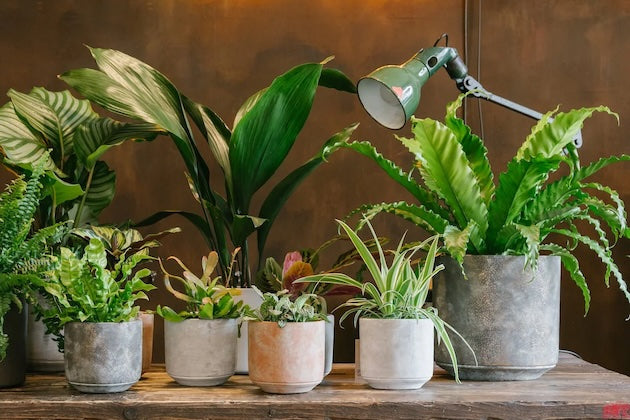

Article: Common Houseplant Problems: Causes, Solutions & Expert Advice


Common Houseplant Problems: Causes, Solutions & Expert Advice
Houseplants are surprisingly good at telling us when something is wrong. Yellow leaves, brown tips, black spots and drooping stems are all your plant's way of asking for help.
The good news is that most houseplant problems are caused by just a handful of issues. Once you understand what your plant is trying to tell you, they're often straightforward to fix.
Need help getting your plants back on track?
Browse our Indoor Plant Care collection for plant feeds, composts, pest treatments and other essentials.
Yellow Leaves
One of the most common questions we hear in the shop is:
"Why are my plant leaves turning yellow?"
An occasional yellow lower leaf is usually nothing to worry about. Plants naturally shed older foliage as they grow.
If multiple leaves are turning yellow, however, there is usually an underlying cause.
Common causes of yellow leaves
- Overwatering
- Insufficient light
- Cold temperatures
- Natural ageing
- Nutrient deficiencies
Top tip: overwatering is by far the most common cause of yellow leaves on houseplants.
If you're unsure whether your plant needs water, read our guide on how to water houseplants.
Brown Leaf Tips and Crispy Leaves
Brown leaf edges and crispy tips are particularly common on tropical plants such as Calatheas, Ferns and Begonias.
Common causes of brown leaves
- Low humidity
- Underwatering
- Hot radiators
- Cold draughts
- Direct sunlight scorching the foliage
Most houseplants originate from tropical environments where humidity levels are much higher than the average UK home.
Moving plants away from radiators, increasing humidity and keeping watering consistent can often solve the problem.
Worth knowing: once a leaf has turned brown, the damaged area will not recover, although new growth should be healthy once conditions improve.
Black Spots on Leaves
Black or dark brown spots often indicate excess moisture.
If the spots are soft, dark and surrounded by a yellow halo, overwatering is usually the culprit.
Check the roots
If you suspect overwatering, gently remove the plant from its pot and inspect the roots.
- Healthy roots: firm, creamy white or pale yellow
- Rotten roots: brown, black, mushy or foul smelling
If root rot is present, trim away the affected roots with clean scissors and repot into fresh, free-draining compost.
Curling Leaves
Curling leaves are often a sign that your plant is stressed.
Common causes include:
- Cold temperatures
- Draughts
- Underwatering
- Excessive heat
- Low humidity
Many tropical houseplants dislike sudden changes in temperature. Keep them away from open windows, external doors and cold spots during winter.
Dropping Leaves
Leaf drop can look alarming, but it is often your plant reacting to changes in its environment.
Ficus plants are particularly famous for dropping leaves after being moved.
Common causes of leaf drop
- Overwatering
- Cold draughts
- Sudden temperature changes
- Moving the plant
- Insufficient light
If your plant has recently been moved, give it time to adjust before making further changes.
Slow Growth
Sometimes customers worry because their plant simply isn't growing.
Before panicking, remember that most houseplants slow down significantly during autumn and winter.
Plants require warmth, light and energy to grow. During the darker months they naturally conserve resources.
If your plant is healthy but growing slowly between October and March, this is often completely normal.
Pests
Houseplant pests are more common than many people realise.
The most common offenders include:
- Thrips
- Spider mites
- Mealybugs
- Scale insects
- Aphids
- Fungus gnats
If you spot pests, isolate the plant immediately and begin treatment as soon as possible.
For a detailed breakdown of each pest and how to treat them, read our guide to common houseplant pests.
We often recommend SB Invigorator Spray as part of a regular plant care routine.
Winter Problems
Winter can be one of the toughest times of year for houseplants.
Common winter challenges include:
- Lower light levels
- Cold windowsills
- Dry air from central heating
- Overwatering during dormancy
During winter, most houseplants require less water and less feeding than they do during spring and summer.
Top tip: always adjust your watering routine as the seasons change.
When Should You Repot?
If your plant is struggling despite good care, it may have outgrown its pot.
Signs that a plant may need repotting include:
- Roots growing from drainage holes
- Water running straight through the pot
- Roots circling heavily inside the pot
- Very slow growth during the growing season
Most houseplants are best repotted during spring and summer.
Read our full guide to repotting houseplants for more information.
Frequently Asked Questions
Why are my houseplant leaves turning yellow?
Overwatering is the most common cause, although low light, cold temperatures and natural ageing can also be responsible.
Why are the tips of my leaves turning brown?
Brown tips are often caused by low humidity, inconsistent watering or dry air from radiators.
Why is my plant dropping leaves?
Leaf drop is commonly caused by overwatering, temperature fluctuations, cold draughts or changes in light levels.
How do I know if my plant has root rot?
Healthy roots are firm and pale coloured. Rotten roots are usually brown, black, mushy and may smell unpleasant.
Can a dying plant recover?
Often yes. If the roots and growing points are still healthy, improving the growing conditions can allow many plants to recover.
Your Houseplant Troubleshooting Checklist
- Check watering first
- Assess light levels
- Inspect for pests
- Look for draughts or temperature issues
- Check root health
- Consider whether the plant needs repotting
- Remember that growth slows naturally in winter
Don't Panic
Every plant owner loses a plant occasionally. Even experienced growers get things wrong from time to time.
The important thing is to learn from the experience and understand what your plant is trying to tell you.
With the right care, most common houseplant problems can be identified early and successfully resolved.