




Sansevieria Care Guide: How to Look After Snake Plants
Sansevieria, commonly known as Snake Plants, are among the easiest houseplants you can grow. Loved for their striking upright foliage, architectural appearance and remarkable tolerance of neglect, they are a favourite choice for beginners, busy households and modern interiors alike.
Looking for Snake Plants?
Browse our collection of Sansevieria & Snake Plants or explore our range of Easy Care Houseplants and Indoor Plant Care products.
In this guide, we'll cover everything you need to know about Sansevieria care, including watering, light levels, feeding, repotting and solving common problems such as yellow leaves and root rot.
What is a Sansevieria?
Native to Africa, Madagascar and parts of Southern Asia, Sansevieria are drought-tolerant plants prized for their bold foliage and resilience. Although many botanists now classify them within the genus Dracaena, they are still widely sold and recognised as Sansevieria or Snake Plants.
Their thick leaves and underground rhizomes store water, allowing them to survive long periods without rainfall. This makes them ideal for plant lovers who occasionally forget to water.
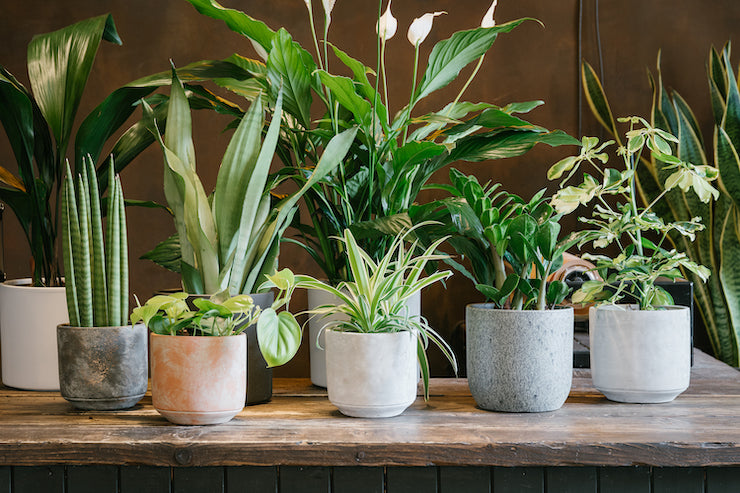
Popular varieties include the classic Sansevieria 'Laurentii', compact forms such as 'Whitney', unusual cultivars like 'Silver Syreni' and cylindrical varieties such as Sansevieria cylindrica.
How Much Light Does a Snake Plant Need?
One of the reasons Snake Plants are so popular is their ability to tolerate a wide range of light conditions.
For the best growth, place your Sansevieria in bright, indirect light. However, they will also tolerate lower light levels and can even cope with some direct sunshine.
Snake Plants are suitable for:
- Living rooms
- Bedrooms
- Home offices
- Hallways with natural light
- Shadier corners of bright rooms
Good to know: while Snake Plants tolerate low light exceptionally well, no houseplant can survive indefinitely without natural light.
How Often Should You Water a Sansevieria?
Overwatering is by far the most common cause of problems with Snake Plants.
Sansevieria store significant amounts of water within their leaves and root systems, meaning they prefer to dry out completely between waterings.
As a general guide:
- Water every 2-4 weeks during spring and summer
- Water less frequently during autumn and winter
- Always allow the compost to dry completely before watering again
Larger plants growing in lower light may need water surprisingly infrequently.
Top tip: when in doubt, wait another week before watering.
What Compost is Best for Snake Plants?
Snake Plants require a free-draining compost that allows excess moisture to escape quickly.
We recommend using a specialist cactus and succulent compost such as our Indoor Plant Compost, which helps reduce the risk of root rot and keeps the roots healthy.
Always choose a pot with drainage holes and avoid allowing the plant to sit in water.
Should You Feed a Snake Plant?
Snake Plants are not heavy feeders, but occasional fertiliser can support healthy growth during the growing season.
Feed once a month during spring and summer using a balanced liquid fertiliser such as Liquid Gold Leaf.
Avoid feeding during winter when growth naturally slows.
When Should You Repot a Snake Plant?
Sansevieria are relatively slow growing and generally enjoy being slightly root bound.
Most plants only need repotting every two to three years.
Signs it may be time to repot include:
- Roots emerging from drainage holes
- The nursery pot becoming distorted
- The plant drying out unusually quickly
- Rhizomes becoming crowded within the pot
When repotting, choose a pot only slightly larger than the current one.
Can Snake Plants Improve Air Quality?
Snake Plants are often associated with air-purifying qualities and have long been recommended as easy indoor plants for homes and offices.
While houseplants alone will not dramatically improve indoor air quality, they can contribute to a greener, more pleasant indoor environment.
Common Snake Plant Problems
Yellow leaves
Yellowing leaves are usually caused by overwatering. Check the compost and allow it to dry thoroughly before watering again.
Mushy leaves
Soft or mushy leaves are often a sign of root rot caused by excess moisture.
If this happens:
- Remove the affected leaves
- Inspect the roots
- Remove any soft or rotten roots
- Repot into fresh free-draining compost
- Allow the plant to dry before watering again
Wrinkled leaves
Wrinkled leaves usually indicate the plant has become too dry and requires watering.
Slow growth
Snake Plants are naturally slow growers, especially in lower light conditions. Moving the plant to a brighter position often encourages faster growth.
Are Snake Plants Easy to Care For?
Absolutely. Snake Plants are among the most forgiving houseplants available and are ideal for:
- Beginners
- Busy households
- Frequent travellers
- Offices
- Lower-light rooms
If you're looking for reliable, low-maintenance greenery, they are one of the best choices available.
Frequently Asked Questions
Can Snake Plants survive in low light?
Yes. Snake Plants tolerate low light exceptionally well, although they grow faster in brighter conditions.
How often should I water a Snake Plant?
Only water once the compost has dried out completely. This is often every 2-4 weeks, depending on conditions.
Do Snake Plants need misting?
No. Snake Plants prefer a relatively dry environment and do not require misting.
Why are my Snake Plant leaves turning yellow?
Yellow leaves are usually caused by overwatering or poor drainage.
When should I repot my Snake Plant?
Typically every two to three years, or when roots begin to outgrow the pot.
Your Snake Plant Care Checklist
- Place in bright, indirect light or lower light
- Allow compost to dry completely between waterings
- Use free-draining cactus compost
- Feed monthly during spring and summer
- Avoid overwatering
- Repot every 2-3 years if needed
- Do not mist the foliage
- Keep in a pot with drainage holes
Looking to Add a Snake Plant to Your Collection?
Snake Plants are among the easiest houseplants to care for and are perfect for beginners. Browse our collection of Sansevieria & Snake Plants, discover more Easy Care Houseplants or shop our Indoor Plant Care range.